Popular Posts

Translate

Showing posts with label the liver. Show all posts

Hepatitis C-What are the symptoms of hepatitis C infection?

About 75% of people have no symptoms when they first acquire HCV infection. The remaining 25% may complain of fatigue, loss of appetite, muscle aches or fever. Yellowing of the skin or eyes (jaundice) is rare at this early stage of infection.
Over time, the liver in people with chronic infection may begin to experience the effects of the persistent inflammation caused by the immune reaction to the virus.
 Blood tests may show elevated levels of liver enzymes, a sign of liver damage, which is often the first suggestion that the infection may be present. Patients may become easily fatigued or complain of nonspecific symptoms.
As cirrhosis develops, symptoms increase and may include :
1.weakness,
2.loss of appetite,
3.weight loss,
4.breast enlargement in men,
5.a rash on the palms,
6.difficulty with the clotting of blood, and
7.spider-like blood vessels on the skin.
In patients with advanced cirrhosis, the liver begins to fail. This is a life-threatening problem. Confusion and even coma(encephalopathy) may result from the inability of the liver to process certain toxic substances.
Increased pressure in the blood vessels of the liver (portal hypertension) may cause fluid to build up in the abdominal cavity (ascites) and result in engorged veins in theswallowing tube (esophageal varices) that tear easily and can bleed suddenly and massively. Portal hypertension also can cause kidney failure or an enlarged spleenresulting in a decrease of blood cells and the development of anemia, increased risk of infection and bleeding.
In advanced cirrhosis, liver failure causes decreased production of clotting factors. Patients with advanced cirrhosis often develop jaundice because the damaged liver is unable to eliminate a yellow compound, called bilirubin that is formed from the hemoglobin of old red blood cells.

tags:the liver (portal hypertension) ,Hepatitis C, hepatitis C infection? anemia, risk of infection, and bleeding,yellow compound,hepatitis C,the liver virus

What the liver does not like? Part 1

Introduction:Do not smoke, do not drink,do not work hard

What does my liver do?

Your liver helps fight infections and cleans your blood. It also helps digest food and stores energy for when you need it.


What are the signs of liver problems?

Some signs of liver problems are
-feeling tired or weak
-losing your appetite
-feeling sick to your stomach
-losing weight
-bruising or bleeding easily, such as nosebleeds
-bloating due to fluid buildup in the abdomen
-declining mental functions

Also, liver problems often make the skin and the whites of the eyes turn yellow, a condition called jaundice, and may cause swelling in the legs and the abdomen.
You cannot live without a liver that works. If your liver fails, your doctor may put you on a waiting list for a liver transplant.

Liver loves tea from the roots of this plant.Her name is Gentiana asclepidea(cure for yellow),but other plants.

tags:Introduction liver,What does my liver do,liver transplant,losing your appetite,liver that works,hepatitis b,hepatitis c


Liver and herbs


Liver and herbs:In its history, this shrub is native to Europe, and naturalized in Asia. 
 The North Americans Indians used Barberry for treating the liver. The Indians also found that to drink a prepared decoction from the root bark could restore the body from general debility and improve the appetite.

 Physicians found that Barberry relieves jaundice and diseases of the liver and gall bladder because it increases the secretion of bile. Barberry contains Berberine an alkaloid that dilates blood vessels, thereby lowering blood pressure. A tea made from the bark is taken during the spring months as a blood purifier. Berberine is a strong antiseptic that is also found in Golden Seal. 
 A strong decoction is employed as an application to sore lips and to heal a sore throat when used as a gargle and mouthwash. The Berberine in Barberry can also effect respiration where it can reduce bronchial constriction and care for the mucous membranes.
Webster declares it of value in jaundice when there is no obstruction of the bile ducts, and in doses short of purgative stimulates the duodenal functions relieving intestinal dyspepsia. Small doses are also palliative in renal calculi, and in soreness, burning, and other unpleasant sensations of the urinary tract.

The Berberine in Barberry,dyspepsia,Barberry for treating the liver

Hepatitis and cirrhosis


The liver is the largest organ in the body, weighing up to 2.5 percent of total lean body mass.
 Located in the upper right quadrant of the abdomen, the liver varies in size and shape, depending on each person’s anatomy. 
Its main function is to metabolize substances in the blood in preparation for excretion, although it has many other important functions, including synthesis of most essential proteins, production of bile, and regulation of nutrients such as glucose, cholesterol, and amino acids.
The main kind of liver cell is called a hepatocyte. These cells comprise about two thirds of the liver’s mass. 
The liver’s blood supply comes from the hepatic artery, which supplies oxygen-rich blood. The liver also receives blood from the portal vein, which filters blood from the stomach, intestines, pancreas, and spleen.
The most common liver function tests are enzyme, bilirubin, albumin, and prothrombin time tests. The liver contains thousands of enzymes, only a few of which are routinely measured as indicators of liver function. These enzymes include the following:
Alkaline phosphatase. Abnormal levels may indicate bile obstruction, liver injury, or some forms of cancer.
Alanine transaminase. Abnormal levels may indicate hepatitis or other liver cell injury.
Aspartate transaminase. Abnormal levels may indicate injury to liver, heart, muscle, or brain.
Gamma-glutamyl transpeptidase. Abnormal levels may indicate organ damage, drug toxicity, alcohol abuse, or pancreatic disease.
Lactic dehydrogenase. Abnormal levels may indicate damage to liver, heart, or lung, and excessive breakdown of red blood cells.
5'-nucleotidase. Abnormal levels may indicate impaired bile flow.
The other major liver tests include the serum bilirubin test, which measures bile excretion, and the albumin test, which can indicate liver damage. Finally, the prothrombin time test measures the time needed for blood to clot. Because most blood clotting factors are produced in the liver, and they have rapid turnover, this test can help measure the liver’s ability to synthesize cells. 
Prothrombin may be elevated in hepatitis and cirrhosis as well as in disorders related to vitamin K deficiency.
Taken together, these tests provide physicians with a relatively complete picture of liver function and can help diagnose liver disease.

Cirrhosis Symptoms

Many people with cirrhosis have no symptoms during the early phases of the disease. Symptoms are caused by either of 2 problems:

1.Gradual failure of the liver to carry out its natural functions

2.Distortion of the liver's usual shape and size because of scarring

The symptoms of cirrhosis of the liver can vary greatly from patient to patient.


tags:Cirrhosis,Cirrhosis Symptoms,The symptoms of cirrhosis of the liver,hepatitis B and C,chirosis,

What is liver transplantation?

What is liver transplantation?
Liver transplantation is surgery to remove a diseased or injured liver and replace it with a healthy one from another person, called a donor. Many people have had liver transplants and now lead normal lives.You cannot live without a liver that works. If your liver stops working as it should, you may need a liver transplant.
Your liver helps fight infections and cleans your blood. It also helps digest food and stores a form of sugar your body uses for energy. The liver is the largest organ in your body.
Some signs and symptoms of liver problems are
-yellowing of the skin and the whites of the eyes, a condition called jaundice
-feeling tired or weak
-losing your appetite
-feeling sick to your stomach
-losing weight
-losing muscle
-itching
-bruising or bleeding easily
-bleeding in the stomach
-throwing up blood
-passing black stools
-having a swollen abdomen
-becoming forgetful or confused
Each transplant center has rules about who can have a liver transplant. You may not be able to have a transplant if you have
  • cancer outside the liver

  • serious heart or lung disease

  • an alcohol or drug abuse problem

  • a severe infection

  • AIDS

  • trouble following your doctor’s instructions

  • no support system

Most livers come from people who have just died. This type of donor is called a deceased donor. Sometimes a healthy living person will donate part of his or her liver to a patient, usually a family member. This type of donor is called a living donor. Both types of transplants usually have good results.
All donated livers and living donors are tested before transplant surgery. The testing makes sure the donor liver works as it should, matches your blood type, and is the right size, so it has the best chance of working in your body. Adults usually receive the entire liver from a deceased donor. Sometimes only a portion of a whole liver from a deceased donor is used to fit a smaller person. In some cases, a liver from a deceased donor is split into two parts. The smaller part may go to a child, and the larger part may go to an adult....

All donated livers and living donors,transplants usually have good results.,Some signs and symptoms of liver problems are,

What is liver transplantation?

Who hepatitis

Hepatitis is an inflammation of the liver, most commonly caused by a viral infection. There are five main hepatitis viruses, referred to as types A, B, C, D and E.
Hepatitis A and E are typically caused by ingestion of contaminated food or water.
 Hepatitis B, C and D usually occur as a result of parenteral contact with infected body fluids (e.g. from blood transfusions or invasive medical procedures using contaminated equipment). 

Hepatitis B is also transmitted by sexual contact.
The symptoms of hepatitis include jaundice (yellowing of the skin and eyes), dark urine, extreme fatigue, nausea, vomiting and abdominal pain.


tags:hepatitis,hepatic,heaptitis A,hepatitis b,hepatitis,hepar,hepatitis c,

Herbal tea for liver

Scientists from Greece have reported a possible link between liver damage similar to that caused by hepatitis and the consumption of herbal tea.

Writing in the July issue of the European Journal of Gastroenterology and Hepatology, lead author Spyros P. Dourakis from the University of Athens related the case of a 62-year-old man who was hospitalised after consuming a herbal tea made from Teucrium capitatum.
The man was hoping that the tea would help reduce cholesterol and high blood sugar levels, and had been taking it on a daily basis for four months before coming down with symptoms of nausea and loss of appetite. He stopped drinking the tea, but then developed jaundice and went to the hospital.
Dourakis and his colleagues discovered that the man was suffering from liver toxicity, and that the jaundice was similar to that caused by hepatitis. The patient eventually recovered from the symptoms, but only after a nine-week period.
"To the best of our knowledge, this is the first description of acute hepatitis related to the use of T. capitatum," Dourakis wrote in the journal. "Some medicinal plants may not be as safe as they are widely considered," he concluded, although adding that more evidence would be needed before a definitive statement could be made about the safety of T. capitatum.
There is much evidence to show the efficacy of herbal products in treating a range of maladies, but scientists are now increasingly looking into the potential adverse effects of the products as well. All of which will, eventually, make it safer than ever to use herbal products, but might also mean that some products are withdrawn or restricted on safety grounds.

tags:Herbal tea for liver ,hepatitis abc,visrus,cholesterol,naturally,hepatitis abc,

Liver Biopsy

Liver biopsy is not necessary for diagnosis, but it is helpful for grading the severity of disease and staging the degree of fibrosis and permanent architectural damage. Hematoxylin and eosin stains and Masson's trichrome stain are used to grade the amount of necrosis and inflammation and to stage the degree of fibrosis. Specific immunohistochemical stains for HCV have not been developed for routine use. 


Liver biopsy is also helpful in ruling out other causes of liver disease, such as alcoholic liver injury or iron overload.
HCV causes the following changes in liver tissue:
Necrosis and inflammation around the portal areas, so-called "piecemeal necrosis."
Necrosis of hepatocytes and focal inflammation in the liver parenchyma.
Inflammatory cells in the portal areas ("portal inflammation").
Fibrosis, with early stages being confined to the portal tracts, intermediate stages being expansion of the portal tracts and bridging between portal areas or to the central area, and late stages being frank cirrhosis characterized by architectural disruption of the liver with fibrosis and regeneration.
Grading and Staging of hepatitis by assigning scores for severity are helpful in managing patients with chronic hepatitis. The degree of inflammation and necrosis can be assessed as none, minimal, mild, moderate, or severe. The degree of fibrosis can be assessed similarly. Scoring systems are particularly helpful in clinical studies on chronic hepatitis.

tags:Liver biopsy,HCV liver,Grading and Staging of hepatitis ,chronic hepatitis.the liver parenchyma

Medications and the Liver


Since all medications are processed through the liver at least to some degree, people with liver disease must become aware of which medications can cause liver damage, which medications can worsen preexisting liver disease, and which medications are safe to take. It is the liver’s job to detoxify any substances that are potentially harmful to the body. 

An already damaged and weakened liver must work much harder than a healthy liver in order to accomplish this task. When a person with liver disease ingests a potentially hepatotoxic drug, this puts an additional strain on the liver and can result in further liver injury or possibly even liver failure. Even people with a healthy liver can develop liver disease as a consequence of ingesting a toxic medication or drug.
In general, people with liver disease should avoid medications known to be hepatotoxic. People who must be treated with a medication that is potentially hepatotoxic should have their LFTs closely monitored by their doctors. If a person’s LFTs become greater than three times baseline values, the medication causing these elevations should be discontinued. Also, it is essential that people with liver disease inform their liver specialists of every medication or drug that they are taking—including herbs, over-the-counter drugs and/or recreational drugs. There is no reason for the patient to expect the doctor to be judgmental. Her goal is the same as the patient’s. Therefore, complete information should be provided to the doctor concerning prescription medications, over-the-counter medications, and herbal and alternative therapies. Remember, a doctor’s objective is to help her patient get better and to help protect her patient from unintentional additional liver damage.

The liver

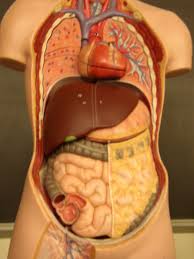
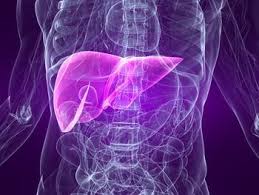
The liver:An organ in the upper abdomen that aids in digestion and removes waste products and worn-out cells from the blood.

The liver is the largest solid organ in the body.

The liver weighs about three and a half pounds (1.6 kilograms).

It measures about 8 inches (20 cm) horizontally (across) and 6.5 inches (17 cm) vertically (down) and is 4.5 inches (12 cm) thick. . .

tags:the liver,hepatitis abc,virus the liver,abdomen that aids in digestion,

HERB TEA AND LIVER


The liver is the primary organ antipollution, responsible for the removal of potential toxins from the bloodstream; filtered over a liter of blood per minute. In today's world, the liver receives more than its share of insults, of things such as car exhaust, smoke from others, pesticides, heavy metals, industrial solvents and household cleaners, not to mention over-the-counter and prescription drugs, food additives and various bacteria.
Hepatic Veno-occlusive disease is a potentially fatal cause of liver failure, usually attributed to exposure to plants containing toxic pyrrolizidine alkaloids.
Although it is commonly thought that ingestion of these alkaloids is not a problem in developed countries, cases of hepatic veno-occlusive disease have been reported from the United States, Great Britain and Switzerland, and at least two of these cases have been linked to the consumption of commercially available plant comfrey.

In a report in The Lancet notes that despite past warnings about toxicity, comfrey products are still advertised as herbal teas, plant root powder and capsules. Toxic levels of alkaloids are found in commercial preparations.
Pyrrolizidine alkaloid poisoning is difficult to diagnose, it may be necessary to obtain and analyze herbal preparations used by the patient to determine the cause liver failure. "The doctor and consumer awareness about plant toxicity is extremely limited, and the incidence of hepatic veno-occlusive disease and poisoning pyrrolizidine can be very underestimated."


tags: the liver, and the liver tea, herbal teas, liver virus, Hepatitis ABC,


Fatty liver


Fatty liver is the collection of excessive amounts of triglycerides and other fats inside liver cells.
Also called steatosis, fatty liver can be a temporary or long-term condition, which is not harmful itself, but may indicate some other type of problem. Left untreated, it can contribute to other illnesses. It is usually reversible once the cause of the problem is diagnosed and corrected.
The liver is the organ responsible for changing fats eaten in the diet to types of fat that can be stored and used by the body. Triglycerides are one of the forms of fat stored by the body and used for energy and new cell formation. 
The break down of fats in the liver can be disrupted by alcoholism, malnutrition, pregnancy, or poisoning. In fatty liver, large droplets of fat, containing mostly triglycerides, collect within cells of the liver.
The condition is generally not painful and may go unnoticed for a long period of time. In severe cases, the liver can increase to over three times its normal size and may be painful and tender.
Fatty liver can be caused by certain chemical compounds, nutritional, or endocrine disorders. Drugs or chemical compounds that can cause fatty liver include alcohol, tetracycline, cortisone, phosphorous and carbon tetrachloride. Of these alcohol is by far the most common cause. Inflammation usually accompanies exposure to these toxins and is responsible for the associated symptoms of fever, fatigue and jaundice.
Nutritional causes of fat in the liver result from starvation, obesity, protein malnutrition and intestinal bypass operation for obesity. In obesity, the fatty deposits are accompanied by some inflammatory changes and mild scarring of the liver.
The endocrine causes of fatty liver include diabetes mellitus and fatty liver of pregnancy. In both cases, a large amount of fat can be rapidly deposited in the liver leading to expansion of the liver with tenderness in the upper right part of the abdomen. In diabetes this occurs only in juveniles. Fatty liver during pregnancy occurs near term and may result in premature termination of the pregnancy.
Fatty liver can be present in patients with alcoholic hepatitis and cirrhosis or may be an isolated finding.
Present evidence shows that while fatty liver is usually present in excessive alcohol intake, it probably does not lead to the development of alcoholic hepatitis or cirrhosis. In fact, most individuals with alcoholic fatty liver do not develop the more serious forms of liver disease.
However, continued alcohol ingestion has been known to cause alcoholic hepatitis and cirrhosis.
Often, there are no symptoms associated with fatty liver. If there are symptoms, they can include pain under the rib cage on the right side of the body, swelling of the abdomen, jaundice, and fever. Symptoms that occur less often in alcoholic fatty liver, but more often in pregnancy related fatty liver, are nausea, vomiting, loss of appetite, and abdominal pain.

tags:Fatty liver,Fatty liver can be present in patients with alcoholic hepatitis 

Popular Posts