 An efficient way to fight against hepatitis is the usage of herbs in the form of hepatitis herbal remedies.If hepatitis is untreated for a long time, it may result in severe forms of liver disease like liver cancer or liver cirrhosis.
The most ordinary form of remedy for the patients of unceasing condition of hepatitis C is administering Pegylated Interferon injections once a week. At the same time, patients are also introduced to herbs as a complementary aid to relieve this problem. However, it is wise to consult an herbalist before making use of any herb as a medication against hepatitis.
To this day, no hepatitis herbal cure has been methodically proven as effectual healing agent but shows considerable quality in the reduction of the symptoms of hepatitis.
Regardless of the fact that no studies fully corroborate the effectiveness of herbs in therapeutically treating this disease, some patients believe in using herbs to gain relief.
They make use of herbs to help with hepatitis or in some cases, to deal with the side effects of interferon, which is a conventional remedy for hepatitis.
An efficient way to fight against hepatitis is the usage of herbs in the form of hepatitis herbal remedies.If hepatitis is untreated for a long time, it may result in severe forms of liver disease like liver cancer or liver cirrhosis.
Some powerful hepatitis herbal remedies make use of extracts from the parts of plants such as Astragalus, Eclipta, Lycium Berry, Sophora, Privet fruit, White Peony, Melia fruit, Licorice etc.
The extracts of the above mentioned medicinal herbs can be consumed orally for treating Hepatitis.
Popular amongst them is Milk Thistle that contains Silymarin, which is a powerful anti-oxidant as well as a tissue growth promoter. Milk thistle seeds extract can be consumed orally to get relief from liver problems.
The German health authorities have approved Milk Thistle as a complementary treatment for liver cirrhosis, hepatitis, and other liver problems.
The other herbs which could be helpful as a medicine for treating hepatitis C are Licorice root, Ginseng, ginger, St. John’s Wort, Bupleurum Root, Privet Fruit, Melia Fruit, Lycium Berry, Andrographis, Astragalus Root, etc. The extracts of the above mentioned medicinal herbs can be consumed orally for treating Hepatitis.
Though the herbs as a hepatitis herbal cure are known to have a number of positive effects on the body of a hepatitis affected person, their credibility as medication is still under testing.
These herbs are capable of lowering the hepatitis viral load, halting the progression of the disorder and reducing or normalizing the enzyme levels in the liver.
A diet that is low in synthetic as well as natural saturated fats helps to keep the liver in good health. Inclusion of lecithin, essential fatty acids, green leafy vegetables, Vitamin C and Vitamin E in one’s daily diet can also be classified as one of the Hepatitis herbal remedies.
tags:liver disease,liver cirrhosis,Herbal Remedies Hepatitis,medicinal herbs ,is Milk Thistle that contains Silymarin, hepatitis ,Pegylated Interferon injections,

 The health effects of tea have been examined ever since the first infusions of Camellia sinensis about 4700 years ago in China.Tea contains catechins , a type of antioxidant .Tea also contains theanine and the stimulant caffeine .... love liver herbal tea for liver disease....




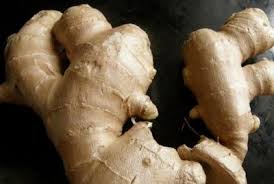 Ginger tea is believed to act as a tonic for your liver. It is also thought to improve digestion, relieve nausea and help ward off colds and flu.


